🇧🇷 Grêmio Recreativo ESCOLA DE SAMBA PORTELA | Rio de Janeiro | 10.01.1988

Art populaire, Brazil, Escola de Samba, Rio de janeiro

linguagem 🇫🇷 🇧🇷

Grêmio Recreativo Escola de Samba Portela (ou simplement Portela) est une école de samba brésilienne située dans la ville de Rio de Janeiro. Adoptant l’aigle et les couleurs bleu et blanc comme symbole, Portela occupe la position de plus grand champion du carnaval de Rio de Janeiro, avec 22 titres (1935, 1939, 1941, 1942, 1943, 1944, 1945, 1946, 1947, 1951). , 1953, 1957, 1958, 1959, 1960, 1962, 1964, 1966, 1970, 1980, 1984 et 2017). Cette marque comprend sept fois le championnat et un quadruple championnat, respectivement entre 1941-1947 et 1957-1960. On l’appelle affectueusement “La Majesté de la Samba” et forme, avec Deixa Falar et Mangueira, la triade des écoles fondatrices du carnaval de Rio.

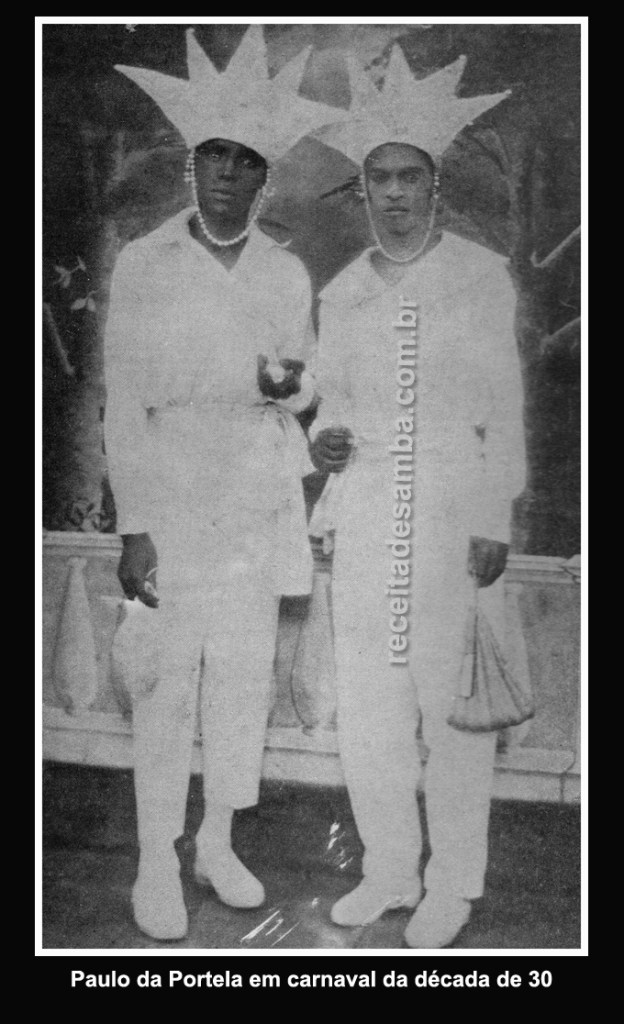
L’école a été officiellement fondée en tant que groupe du carnaval, appelé Conjunto Oswaldo Cruz, le 11 avril 1923, dans le quartier d’Oswaldo Cruz. Bien que certains chercheurs pensent que l’école a été fondée en 1926, l’année officielle de fondation est 1923, la même année où a été créé le groupe “Baianinhas de Oswaldo Cruz”, qui contenait déjà l’embryon du premier conseil d’administration de Porto, avec Paulo da Portela, Alcides Dias Lopes (mieux connu sous le nom de “Malandro historique”), Heitor dos Prazeres, Antônio Caetano, Antônio Rufino, Manuel Bam Bam Bam, Natalino José do Nascimento (“son Noël”), Candinho et Cláudio Manuel. Elle changea deux fois de nom – “Quem Nos Faz É O Capricho” et “Vai Como Pode” -, jusqu’à prendre définitivement le nom de Portela, au milieu des années 1930. C’est l’une des principales écoles de samba de Rio de Janeiro, formant aux côtés de Mangueira et Beija-Flor, les trois plus grands champions du carnaval de Rio.

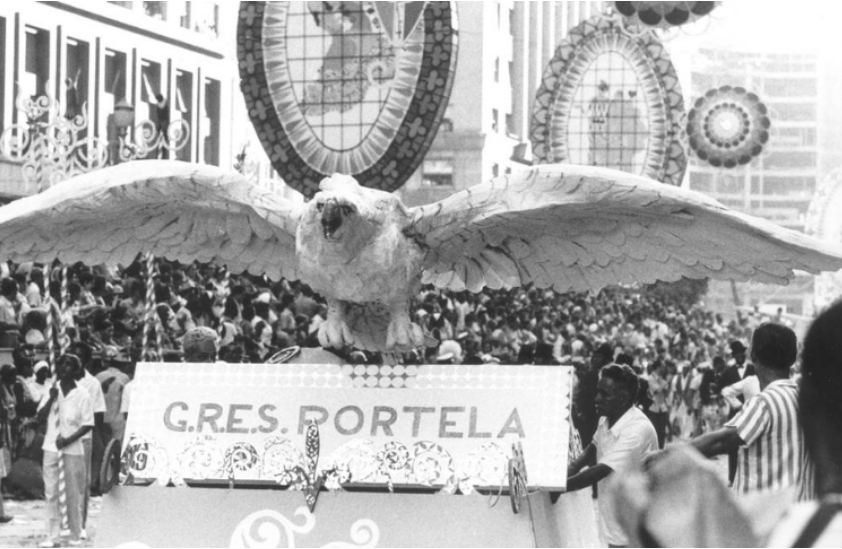
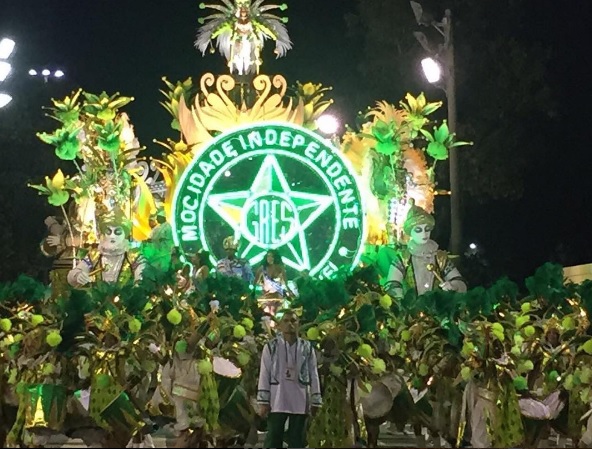
En 1988, Tradição, une école fondée par des dissidents de Portela, atteint l’élite du carnaval et, pour la première fois, concourra dans le même groupe que Portela. L’artiste du carnaval Geraldo Cavalcante a créé une intrigue inspirée du livre A Fonte dos Amores, de Câmara Cascudo. L’œuvre raconte la légende de la passion du vice-roi du Brésil, Dom Luís de Vasconcelos e Sousa, pour une jeune femme appelée Susana. Regrettant d’avoir séparé la jeune femme de son fiancé, le vice-roi parvient à réunir à nouveau le couple et, en guise de cadeau, ordonne à Mestre Valentim d’urbaniser Lagoa do Boqueirão (plus tard, Passeio Público), où vivait la jeune femme, donnant lieu à la construction de la Fontaine des Amours. L’histoire a servi de toile de fond pour rendre hommage au centre de Rio de Janeiro, où se déroule le roman de Câmara Cascudo. Le refrain de la samba de l’école (« Briga, eu, eu quero briga / Hoje eu venho reclamar / Esta praça ainda é minha / Eu também estou fominha / Jacaré quer me abraçar ») a été perçu comme une provocation à la Tradition. Le président de Portela, Carlinhos Maracanã, a nié que la samba de l’école soit un signe indirect de la Tradition. Selon Maracanã, le combat évoqué dans la samba vient de Cinelândia, transformée en place de manifestations populaires. Avant le Carnaval, Portela s’est adressée au tribunal pour tenter d’empêcher Tradição d’utiliser un condor dans sa voiture à ailes ouvertes, affirmant qu’il s’agissait d’une copie de l’aigle de Porto. Portela était la huitième et dernière école de la première nuit du Groupe 1 en 1988, commençant son défilé vers huit heures du matin, à la lumière du jour. Le comité directeur de l’association était formé par des personnalités illustres de Porto, comme Argemiro, Ary do Cavaco, Carioca, Periquito, Monarco, Wilson Moreira, Casquinha, Manacéia, Alberto Lonato, Edir, Gaúcho et Casemiro. Dans la voiture à ailes ouvertes, la sculpture d’aigle de Portela défilait, blanche avec des découpes de miroirs. Le défilé a commencé en s’adressant aux trois ethnies qui composent le peuple brésilien, en mettant l’accent sur les noirs, représentés par des ailes chorégraphiées par le danseur Jerônymo Patrocínio. Il a également abordé la construction de l’Avenida Central (plus tard, Rio Branco), de l’Avenida Beira-Mar et du Passeio Público ; en plus de Cinelândia et Lapa. Les actrices Claudia Raia et Vera Gimenez ont participé au défilé. Enceinte, la mannequin Luiza Brunet s’est retirée en tant que marraine de la batterie, défilant sur un trépied. Dans sa revue, le Jornal do Brasil a publié que l’animation du défilé « compensait l’intrigue confuse ». Portela a pris la cinquième place au carnaval de 1988 ; tandis que la Tradition était classée huitième

1988

No ano do Centenário da Abolição, a Portela escolheu para enredo um tema inspirado no livro “A fonte dos amores”, de José Câmara Cascudo, que trata da paixão do Vice-Rei D. Luís de Vasconcelos de Sousa por uma jovem chamada Susana, moradora das proximidades do antigo Largo do Boqueirão, atual Passeio Público, e da construção da famosa fonte esculpida por Mestre Valentim. Geraldo Cavalcanti, em seu segundo e último ano na escola como carnavalesco, partiu dessa história de amor para enaltecer a região do Centro do Rio de Janeiro que compreende, além do Passeio Público, a Avenida Rio Branco, a Cinelândia e a Lapa.
🇧🇷 ANA BEATRIZ NOGUEIRA | actrice | cinéma | théâtre

ator, Brazil, Cinema, Rio de janeiro, Teatro, Théâtre

linguagem 🇫🇷

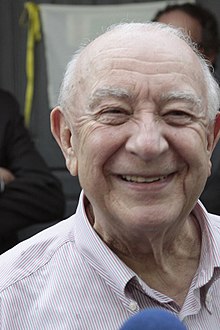
Ana Beatriz Nogueira est actrice, réalisatrice et mélomane. Pour parler de sa carrière primée au théâtre et au cinéma, elle présente au programme une collection de vedettes : Villa Lobos (O Trenzinho do Caipira), Noel Rosa (Feitiço da Vila), Carlos Gardel (Gira Gira) et Dalva de Oliveira. (Ave Maria do Morro). La bande originale musicale couvre des sujets tels que le film Vera, qui lui a valu l’Ours d’argent en 1987 ; l’expérience sur scène ; le théâtre qu’il a installé chez lui pour diffuser des pièces en ligne, Teatro com Bolso ; et la réalisation du monologue À la recherche d’une dignité, basé sur le texte de Clarice Lispector et magistralement interprété par Sandra Pêra. Depuis lors, sa carrière comprend, outre plusieurs autres récompenses, plus d’une douzaine de films, 17 œuvres télévisées et 14 pièces de théâtre. parmi eux « Une relation pornographique », de l’Iranien Philippe Blasband et réalisé par Victor Garcia Peralta ; les solos « Tout ce que je voulais te dire », sur des textes de Martha Medeiros, mis en scène par Victor Garcia Peralta et « Um Pai (puzzle) », d’après un livre de Sybille Lacan et mis en scène par Vera Holtz et Guilherme Leme Garcia ; « Les Trois Sœurs », de Tchekhov et réalisé par Bia Lessa ; « Parle doucement, sinon je crierai », de Leilah Assunção et réalisé par Paulo de Moraes ; « Le lecteur d’heures », de l’Espagnol José Sanchis Sinisterra et réalisé par Christiane Jatahy ; « La mémoire de l’eau », de l’Anglaise Shelagh Stephenson et mise en scène par Felipe Hirsch, parmi de nombreuses autres productions.
Son travail le plus récent était dans le feuilleton de 21 heures, « O Sétimo Guardião », d’Aguinaldo Silva, sur TV Globo. 

🇧🇷 JACQUELINE LAURENCE | atriz, diretor franco-brasileira

ator, Cinema, Interview, Rio de janeiro, Teatro, Théâtre

linguagem 🇫🇷

Jacqueline veio para o Brasil ainda adolescente, acompanhando o pai que era jornalista ( 17 de junio de 2024 – lamentablemente falleció). Entre 1955 e 1957, participou da primeira turma da FBT (Fundação Brasileira de Teatro), ingressando posteriormente em O Tablado e A Comunidade.Depois de passar quase toda sua carreira na Rede Globo, em 2010 foi contratada pela Rede Record para atuar na telenovela Ribeirão do Tempo. Sua passagem pela emissora foi breve. Logo em 2011, assinou um novo contrato com a Rede Globo, para atuar na telenovela Aquele Beijo, de Miguel Falabella. Francesa de Marselha, Jacqueline Laurence veio para o Brasil na adolescência e, entre 1955 e 1957, integrou a primeira turma da Fundação Brasileira de Teatro (FBT), escola de Dulcina de Morais, onde foi aluna de Adolfo Celi, Henriette Morineau, Gianni Ratto, Maria Clara Machado, Ziembinski e da própria Dulcina.
Continuou sua formação no Tablado, atuando com destaque em diversas montagens dirigidas por Rubens Corrêa, Yan Michalski e pela fundadora do próprio teatro-escola, Maria Clara Machado.
No final dos anos 1960, fez parte do grupo A Comunidade, de Amir Haddad, que a dirigiu em O Marido Vai à Caça, de Georges Feydeau (1971) – montagem que lhe garantiu prêmio de Melhor Atriz. Tem seu talento para a comédia reconhecido pelos críticos.
Em 1982, recebeu o Troféu Mambembe como Melhor Atriz por dois trabalhos: Madame de Sade, de Yukio Mishima, e As Criadas, de Jean Genet. Em 1984, passou a atuar também como diretora, assinando espetáculos estrelados por Fernanda Montenegro e Miguel Falabella, entre outros. Ainda na década de 1980 se envolveu com o chamado teatro besteirol, que invade a cena carioca.
Na TV, fez sua estreia em 1972, na novela Uma Rosa Com Amor, já tendo atuado em cerca de trinta produções; no cinema, fez mais de uma dezena de filmes. A atriz começou em televisão, em 1968, na famosa novela: ” Antônio Maria”, de Geraldo Vietri, na TV Tupi. Depois ela passou para a Rede Globo e em 1972, participou de ” Uma Rosa Com Amor”. Em 78,fez: “Dancin’Days”, novela que também marcou época. Em 80, fez: ” Água Viva” e ” As Três Marias”. Em 82: “Sétimo Sentido”.Em 1994, Jacqueline Laurence passou para a Rede Manchete e fez: ” A Marquesa de Santos”. Em 85: “Tudo Em Cima”.Voltou para a Globo, em 1986 , e fez: ” Cambalacho”. E outra vez na Manchete em 86, participou de: ” Dona Beija”. Mais uma vez na Globo, fez em 87: ” Bambolê”. Em 89: “Top Model”. Em 90, foi para o SBT e fez: ” Brasileiros e Brasileiras”.Em 91, na Globo fez: “O Dono do Mundo”.Em 94: ” Acidente em Antares”.Em 96: ” Salsa e Merengue”. Em 97: ” Sai de Baixo”,um seriado humorístico . Em 99: “Você Decide”. Em 2001, fez a novela: “As Filhas da Mãe”.Em 2004, fez: ” Da Cor do Pecado” e “Senhora do Destino”. Em 2005: “A Lua Me Disse”. Em 2006: “Cobras e Lagartos”. Em 2007:” Malhação”, o seriado: “Toma Lá Dá Cá” e a novela: ” Desejo Proibido”. Em 2008, fez na TV Bandeirantes: ” Água Na Boca”.

Née en France, Jacqueline Laurence a suivi dans sa jeunesse son père, journaliste, au Brésil. Depuis 1955, elle joue au théâtre. Elle a été choisie pour interpréter des œuvres d’Albert CamusJean GenetMiguel Falabella et d’autres auteurs modernes et contemporains. Depuis 1984, elle est également directrice de théâtre, une activité pour laquelle elle jouit d’une haute estime par les critiques. Jacqueline Laurence est également apparue dans plusieurs films et telenovelas de Rede Globo dans lesquels elle interprète souvent des rôles de femmes d’origine française ou des enseignants de langue et de littérature française.

🇧🇷 SÉRGIO MAMBERTI – actor – director – producer – author – playwright – politician

ator, Brazil, Censura no brasil, Censure au Brésil, Cinema, Dictature, Ditadura no brasil, Funarte, Interview, Politic, Racism, Rio de janeiro, Teatro, Théâtre

linguagem 🇫🇷

Sérgio Mamberti was born in Santos, São Paulo. ( September 3, 2021 – unfortunately passed away). He is a graduate of the School of Dramatic Arts of São Paulo, and has been a playwright for more than 50 years. He is brother of the deceased actor Cláudio Mamberti.

Affiliated to the Workers’ Party (PT), Sérgio occupied during the Lula Government several positions within the Brazilian Ministry of Culture:Secretary of Music and Performing Arts. Affiliated to the PT, Mamberti took a stand against the impeachment process of Dilma Rousseff . In 2018, he played his character Dr. Victor together with actors Pascoal da Conceição (Dr. Abobrinha) and Eduardo Silva (Bongô) to ask for votes from the then PT candidate Fernando Haddad . Also that year, he protested against the arrest of President Lula participating in the Lula Livre movement .

Born in 1939, in the city of Santos , on the coast of São Paulo , Sérgio graduated from the scenic arts course at the School of Dramatic Art at the University of São Paulo (EAD). He made his theater debut in the play Antígone América written by Carlos Henrique Escobar, produced by Ruth Escobar and directed by Antônio Abujamra .

After the play in 1963, he joined the theater group Decision, along with names like Abumjara, Glauce Rocha and Plínio Marcos . For the group he participated in the play O Balcão de Jean Genet which earned him the Governor Award of the State of São Paulo, in the category ‘best supporting actor’.

In the 1970s, together with his brother Cláudio Mamberti, he participated in numerous plays in the São Paulo capital, working with important names of Brazilian dramaturgy such as Beatriz Segall , Regina Duarte and Paulo José .

In the 1980s, he played Galeno Sampaio in Rede Globo ‘s soap opera Brilhante . In 1984, he played King Claude in the play Hamlet , by the Englishman William Shakespeare organized by Marco Aurélio. In the same year, Argan lived in the play Tartufo , by Molière, sharing the play with Paulo Autran , under the direction of José Possi Neto . In 1998, he lived one of his most striking characters Eugênio , homosexual butler of Celina ( Nathália Timberg ), in the Vale Tudo deGilberto Braga .

Still in the 1980s, he was one of the founders of the Workers’ Party (PT) of whom he effectively participated in the process.

In the 1990s, he lived one of his most memorable characters Dr. Victor in the juvenile program Castelo Ra-Tim-Bum of TV Cultura .

After the election of Luiz Inácio Lula da Silva in 2002, Sérgio participated in the cultural part of the government, holding positions and participating in councils.

In 2013, lived the villain Dionísio in the soap opera Flor do Caribe . In 2016, he made his debut in streaming services in the 3% series produced by Netflix .

In 2017, he was honored at the São Paulo Legislative Assembly (ALESP) on the actor’s day. In 2018, he won the APCA Critics Grand Prize .

In 2019, it gained prominence in the play ‘The Golden Egg’ which tells the story of Jews who were forced to kill other Jews in Nazi Germany .

Filmography

Reference in acting, Mamberti is remembered for having represented many characters with strong personality. Among his most important and most remembered works by the public, it is important to highlight the cult cupbearer Eugênio de Vale Tudo , the sweet and wise Dr. Victor from the children’s program Castelo Rá-Tim-Bum and, more recently, the Nazi executioner Dionísio Albuquerque de Flor the Caribbean . In addition, he performed brilliantly in films , series , miniseries and other specials.

Awards and nominations

In 1962, he won the Moracy do Val award from the newspaper Ultima Hora in the category ‘revelation actor’ for the show Antígone – América. In 1964, he received the ‘Saci Award’ for Theater, which was organized by the newspaper O Estado de S. Paulo in the category ‘Best Supporting Actor’ for the play O Inoportuno.

In 1969, he received the ‘ Governor of the State of SP Award ‘ in the category ‘Best supporting actor’ for his performance in the play O Balcão. In the following decade he received more awards such as the Molière Prize in the category ‘Best actor’ in 1975 for the play Réveillon . In the previous year, Mamberti had been nominated for the same award in the same category for the play The Game of Power.
Also play Réveillon won the category ‘best actor’ of the Governor Award of the State of SP, the APCA Award – Theater / São Paulo Association of Art Critics – SP and Veja SP Magazine .

As a director in 1982, he received the award for ‘Best show’ for his play Coração na Boca in an award ceremony in Rio de Janeiro . In 1989 he won the category of ‘Best Supporting Actor’ for the soap opera Vale Tudo in which he played Eugênio.

In the 1990s, in 1995, he won the Mambembe Award for ‘best supporting actor’ for the show Pérola. The following year, he won the Sharp Award for ‘best actor’ also for the play Pérola. In 1997, he won the APETESP Award for ‘best actor’ also for Pearl.

In 1998, he won the International Lumière Award. He also received the ‘Patrimônio de Bauru’ award from the municipality of the interior of the state of São Paulo.

In 2008, it received the highest cultural level award in the country Order of Cultural Merit (WTO).

In 2018, he received the APCA Critical Grand Prix .

Sérgio Mamberti resgata histórias de sua vida em autobiografia

Sérgio Mamberti: ‘esse governo que nós temos é trágico

O renomado ator, diretor, produtor e artista plástico, Sérgio Mamberti é o convidado desta semana no Fórum Sindical. Com personagens marcantes, Mamberti sempre se reinventou e transformou a arte brasileira. Sua carreira de mais de 50 anos no teatro, cinema e televisão se funde com a história da arte e da política brasileira. Agora, octogenário, escreve sua autobiografia em parceria com o jornalista Dirceu Alves Jr: “Sergio Mamberti: senhor do meu tempo”, publicada pelo SESC. Participam: o jornalista Altamiro Borges e Rubinho Giaquinto.

🇧🇷 MARC BERKOWITZ | crítico de arte | 1914 – 1989

Brazil, crítico de arte, Musée art moderne, MUSEO DE ARTE, Rio de janeiro

linguagem 🇫🇷

Rio de Janeiro 16.01.1988

Mark Berkowitz, crítico de arte de origem russa, radicado no Brasil há meio século. Considerado um dos mais destacados conhecedores de arte do país, Berkowitz dirigiu por mais de três décadas a Galeria de Arte do Instituto Brasil Estados Unidos, o Ibeu, do Rio de Janeiro, onde se notabilizou por incentivar o trabalho de artistas jovens. Berkowitz morreu dia 28 de novembro, 1989, aos 75 anos no Rio de Janeiro. Criada em 1962 pelo crítico de arte Marc Berkowitz, a coletiva Novíssimos tem como objetivo apresentar a produção de arte de seu tempo e, igualmente, revelar novos talentos. Em 47 anos de existência, participaram deste Salão artistas como Anna Bella Geiger, Ivens Machado, Márcia X., Ana Holck, Mariana Manhães, Pedro Varela, Raul Leal, entre outros. Até 2008, 480 artistas já haviam participado desta coletiva anual.

Homenagem à Marc Berkowitz

VASCO PRADO. Textos de Marc Berkowitz e Manuel Barata. Depoimentos do artista e de outros (Érico Veríssimo, José Roberto Teixeira Leite, Geraldo Ferraz, Jorge Amado …). Companhia Iochpe de Participações, Porto Alegre, 1984. Encadernado, 84 páginas, 22 x 29 cm. 

Comenta a conferência, sobre o tema Arte Moderna no Brasil – Verdades e Paradoxos, pronunciada pelo crítico de arte Marc Berkowitz, na ABI, onde o conferencista coloca Di Cavalcanti e Portinari como as “vacas sagradas” da arte brasileira.

🇧🇷 LÉLIA GONZALES – Brasil é o ses racisme – le Brésil et son racisme

Brazil, Music, Politic, Racism, Rio de janeiro

inlinguagem 🇫🇷 – Rio de Janeiro 18.02.1988

Lélia Gonzalez (February 1, 1935 – July 10, 1994 – 10 July 1994 – unfortunately deceased..) was a Brazilian intellectualpoliticianprofessoranthropologist and a woman human rights defender. The daughter of a black railroad worker and an indigenous maid, she was the second youngest of eighteen siblings, including footballer Jaime de Almeida, who played for Flamengo. Born in Belo Horizonte, she moved to Rio de Janeiro in 1942. She graduated with a degree in history and philosophy, then worked as a public school teacher. She did her master’s degree in media, and her doctorate in political anthropology. She then began to devote herself to research on the relationship between gender and ethnicity. She taught Brazilian Culture at the Pontifical Catholic University of Rio de Janeiro, where she headed the department of sociology and politics. As a secondary school teacher at CAp-UERJ (part of Rio de Janeiro State University) during the dictatorship of the sixties, she made her philosophy classes a space of resistance and sociopolitical critique, which influenced the thought and action of her students. She helped found institutions such as the Black Movement of Brazil, Research Institute of Black Cultures (Instituto de Pesquisas das Culturas Negras, IPCN), the Black Women’s Collective, N’Zinga, and the group Olodum. Her activism in defense of black women carried it to the National Council on Women’s Rights, where she worked from 1985 to 1989. She was a federal legislative candidate for the Workers’ Party, being chosen as the first alternate. In the next election, in 1986, she ran for state representative for the Democratic Labour Party, being chosen again as a substitute. Her writings, simultaneously permeated by the scenarios of political dictatorship and the emergence of social movements, reveal her interdisciplinary commitment and portrait a constant concern in articulating the broader struggles of Brazilian society with the specific demand of blacks and especially of black women[1] In 1982, together with Carlos Hasenbalg, she published Lugar de Negro[2] and in 1987, she published the book Festas populares no Brasil.

 Lélia Gonzalez, an important militant of women’s rights and the Movimento Negro in Brazil.
Lélia Gonzalez: Mulher Negra na História do Brasil

🇧🇷 LELIA WELHO FROTA – Funarte – popular art

Art populaire, art popular brasileiros, Brazil, Rio de janeiro

linguagem 🇫🇷

Popular art usually expresses a feeling common to the environment in which it develops. It is not usually expected from the popular artist originality or individual expression, but artisan mastery and the ability to execute the works, normally ordered and dictated by the society in which it operates, which determines both the theme and, in some cases, the very form that the work must take over. Animals, human figures and types (such as the cangaceiro, the washerwoman, the priest), as well as saints are the most frequent themes of popular art. Usually the popular artist draws from the reality in which his subjects live, and can sometimes give doses of humor and social criticism to his representations, as illustrated by small northeastern sculptures of white girls dancing with black people with a blocked nose.

The popular artist is usually self-taught, without contact with classical art, removing from tradition the techniques he needs to carry out his work. You can even create your own resources to solve your problems. The personalization of the tradition of the society in which this artist is inserted can generate works of great artistic value. Small sculptures are often the most frequent manifestations of popular art, especially ceramics. Due to the particularities of working with the material, there are small workshops (at least initially familiar) that are dedicated to the craft.

The ceramics workshops are present in several locations in Brazil, especially those in the western region of the country, the Amazon, the Northeast and Rio Grande do Sul. Cities like Caruaru, with their more sophisticated sculptures, with appreciation of movement and realism they are influential regional centers that end up determining northeastern patterns. Clay sculptures have centers in the northern region of the country, in cities like Belém – especially the forms of local animals, such as alligators; in the Southeast, in cities like Vitória and artists like Mãe Ana; in the South, in São José (Santa Catarina) and the mixture of fantastic beings with people and animals in the set of thirteen colored figures of the ox-of-papaya (made by artists like Anésia de Silveira). Still in the Southeast, we see strong centers in places like Vale do Paraíba in São Paulo, whose production is especially intense at Christmas for figures related to the party, such as angels, boys and eastern stars.

The folklore of the valley is also represented through pieces made for the traditional “Festa do Divino”. In the Center-South the sculptures of religious intention are famous. In the Northeast, the figures that, due to their attire and attitudes, characterize aspects of the region’s life are especially known. They also call attention for the sophistication that the representations present, with details such as features of the face attentive to the physical types of the place. Still in the Northeast, the frowns on the boats that cross the São Francisco, used in order to scare off evil or even river folkloric monsters, are other good examples of popular art. Ex-votos are also considered to be one of the most important popular artistic manifestations. Miracles often emphasize the region of the body that the faithful ask for divine attention. In the heads, in which they call for the dead, both common patterns and artistic concerns can be seen in portraying the deceased’s features.

“Padinho Cícero”, for example, is a regional theme widely used in religious sculptures in the Northeast, especially those in Juazeiro do Norte. Umbanda also provides great inspiration for popular artists, such as the figures of Exus, caboclos and black-old men, especially strong in Bahia, well represented by Cândido. Also typical of the state are the figures of “baianas”, with their more realistic anatomical forms and robes. Mainly through Modernism and its nationality, some popular artists began to be recognized in erudite art circles, being valued and even holding exhibitions inside and outside the country.

One of the first of these artists more in tune with the popular traditions discovered was Cardosinho (José Bernardo Cardoso Júnior), a Portuguese who came to Brazil at the age of three. Having started painting at the age of sixty-eight, he draws attention for his fantastic and mysterious compositions, which are not concerned with realism in proportions (as shown by the enormous butterflies in his paintings, copied in natural size). He even did a show with Portinari. Djanira da Mota e Silva, born in the interior of São Paulo and based in Rio de Janeiro is another popular artist who has held exhibitions, including in the United States. Among some of his works are: “Figuras na Rua” (1946) and “A Casa de Farinha” (1956) or the painting of the Chapel of Santa Bárbara, in the Catumbi – Laranjeiras tunnel, in Rio de Janeiro (1961-1963). Chico da Silva, with his fantastic animals, such as birds and dragons linked to the folklore of the north-northeast of the country, is better known in Europe (thanks to the intervention of the Swiss painter Jean Pierre Chabloz who discovered him in Fortaleza) than in Brazil.

The Afro-Brazilian tradition and the contemplative aspect of the sculptures by the Bahian Agnaldo Manuel dos Santos also characterize him as an important popular artist, such as his figures about mother and son or works like “Totem” from 1973. Mestre Vitalino (see entry) from Caruaru, Heitor dos Prazeres, from Rio de Janeiro, Manezinho Araújo, from Pernambuco, Maria Auxiliadora da Silva, from São Paulo, are other names of popular painters who ended up being known in erudite circles. ARTE POPULAR BRASILEIRA Uma viagem em busca dos artistas populares Arte Popular do Brasil Arte PoPulAr BrAsileirA:
A influênciA do mAteriAl no Processo criAtivo
homenageia a arte popular brasileira SALA DO ARTISTA POPULAR Artesanato e arte popular – Mãos que constroem histórias Entrevista com Angela Mascelani

O Museu Casa do Pontal foi atingido por uma inundação sem precedentes! o objetivo do financiamento coletivo é reabrir urgentemente o Museu. #salveomuseudopontal

🇧🇷 Diretor PAULO HERKENHOFF | Museu de Arte Moderna | Rio de Janeiro

Art museum, Brazil, Musée art moderne, MUSEO DE ARTE, Rio de janeiro

linguagem 🇫🇷

  1. Paulo Herkenhoff (born 1949) is an independent curator and critic. From 2003–2006, he was director of the Museu Nacional de Belas Artes, Rio de Janeiro. Previously Herkenhoff was adjunct curator in the Department of Painting and Sculpture at Museum of Modern Art, New York (1999–2002), and chief curator of Museu de Arte Moderna do Rio de Janeiro, Rio de Janeiro (1985–1990). He was also artistic director of the 1998 24th São Paulo Biennale, São Paulo (1997–1999), and curated the Brazilian Pavilion at the 47th Venice Biennale, Venice, 1997. Herkenhoff recently co-curated Brasil: desFocos (O Olho de Fora), Paço das Artes, São Paulo, 2008 and contributed to the publication Psycho Buildings: Artists Take on Architecture (2008). He has also published texts on artists such as Raul Mourão (2007); Guillermo Kuitca (2006); Rebecca Horn (2005); Julião Sarmento (2004); and Louise Bourgeois (2003). Herkenhoff lives and works in Rio de Janeiro. 

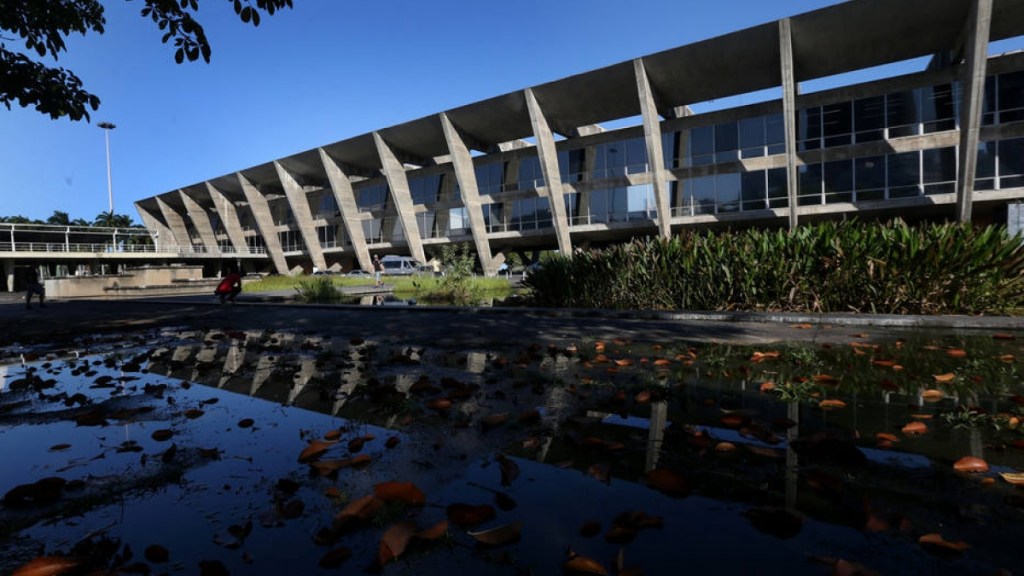
Fruto das transformações culturais que têm lugar no período após a II Guerra Mundial (1939-1945), e que entre nós se traduz no crescimento das cidades e na diversificação de seus equipamentos culturais, o Museu de Arte Moderna, criado em 1948, no Rio de Janeiro, acompanha o modelo do Museum of Modern Art – MoMA [Museu de Arte Moderna], em Nova York (1929), do mesmo modo que o Museu de Arte Moderna de São Paulo – MAM/SP (1948). Um “museu vivo”, com exposições, música, teatro e cinema, além de debates: eis o intuito central da instituição, presidida pelo colecionador e industrial Raymundo Ottoni de Castro Maya (1894 – 1968). As diferenças mais evidentes entre o Museu de Arte Moderna do Rio de Janeiro e o de São Paulo parecem ser a abertura do museu carioca às artes aplicadas, sobretudo ao design e ao desenho industrial, e sua vocação educativa, que se concretiza por um serviço de biblioteca atuante (a cargo da crítica literária Lúcia Miguel Pereira) e por ateliês abertos ao público. Diversos profissionais são convidados para implantar as atividades do museu: Candido Portinari (1903 – 1962), pintura; Bruno Giorgi (1905 – 1993), escultura; Alcides Miranda (1909 – 2001), arquitetura; Luís Heitor (1905 – 1992), música; Santa Rosa (1909 – 1956), teatro; e Luís Roberto Assumpção Araújo, cinema. O museu funciona inicialmente em salas cedidas pelo Banco Boa Vista, na praça Pio X, passando em seguida para um espaço improvisado entre os pilotis do prédio do Ministério da Educação e Saúde, onde é aberta ao público a mostra Pintura Européia Contemporânea (janeiro de 1949). Das 32 obras apresentadas nesta exposição, 12 irão compor o acervo do museu, que contará em seguida com doações de Raul Bopp (1898 – 1984), Marques Rabelo e Oscar Niemeyer (1907), entre muitos outros.

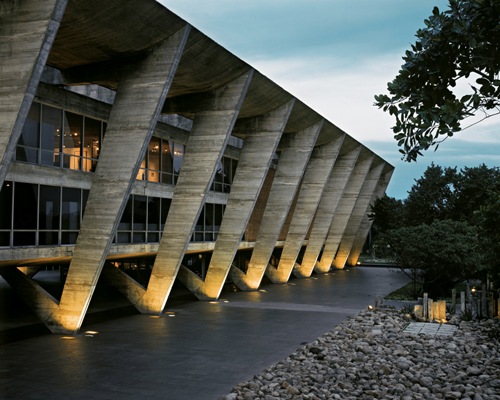
O ano de 1952 marca uma nova fase do museu, inaugurada com a exposição dos artistas premiados na 1ª Bienal Internacional de São Paulo (o que ocorrerá, a partir daí, regularmente) e com a ampliação do acervo, graças ao comando da sra. Niomar Moniz Sodré, então diretora executiva, cujo marido, Paulo Bittencourt é proprietário e diretor do jornal Correio da Manhã. O acervo do MAM – composto até então por quatro obras doadas pela Bienal, por uma pequena doação do MoMA e por contribuições particulares de artistas e colecionadores -, passa a contar nesse momento com obras de artistas estrangeiros adquiridas na Europa como André Lhote (1885 – 1962), Yves Tanguy (1900 – 1955), Georges Mathieu (1921), Fernand Léger (1881 – 1955), Alberto Giacometti (1901 – 1966), entre outros. Dentre os artistas nacionais, além de Portinari, Di Cavalcanti (1897 – 1976)Lasar Segall (1891 – 1957) e Guignard (1896 – 1962), o acervo do MAM se distingue por possuir uma expressiva coleção de Oswaldo Goeldi (1895 – 1961), com desenhos e gravuras. É Niomar quem convida o arquiteto Affonso Reidy (1909 – 1964) para projetar uma nova sede para o museu, em área de 40 mil metros quadrados doada pela prefeitura do Rio, no aterro do Flamengo, com projeto paisagístico de Burle Marx (1909 – 1994). As obras são iniciadas em 1954 e inauguradas em diferentes momentos: o Bloco-Escola, em 1958; o Bloco de Exposições, em 1967 (com mostra de Lasar Segall) e o Bloco-Teatro, inacabado. O projeto de Reidy segue as sugestões do racionalismo arquitetônico que orientam seus diversos trabalhos. No caso do MAM, especificamente, cabe destacar o emprego da estrutura vazada e transparente, a planta livre do espaço de exposições (que prevê a flexibilidade da museografia) e a atenção concedida à iluminação.

Datam também dessa nova fase do museu os cursos, para adultos e crianças, a cargo de colaboradores, como Ivan Serpa (1923 – 1973), Margareth Spencer (1914), Décio Vieira (1922 – 1988)Fayga Ostrower (1920 – 2001) etc. O ateliê infantil, coordenado por Serpa, conhece sucesso imediato. O de adultos, por sua vez, está na origem do Grupo Frente, fundado por Aluísio Carvão (1920 – 2001)Carlos Val (1937), Décio Vieira, Ivan Serpa, Lygia Clark (1920 – 1988)Lygia Pape (1927 – 2004) e Vicent Ibberson (19–), e ao qual aderem em seguida Hélio Oiticica (1937 – 1980)Franz Weissmann (1911 – 2005)Abraham Palatnik (1928), entre outros. Em 1955, têm início as atividades da Cinemateca, com a mostra internacional Dez Anos de Filmes de Arte, e a oferta de cursos regulares. Um pouco mais tarde, em 1959, começa a funcionar o ateliê de gravura, tendo como professores Johnny Friedlaender (1912 – 1992) e Edith Behring (1916 – 1996), e ao qual aderem, entre muitos outros, Maria Bonomi (1935)Anna Letycia (1929)Roberto de Lamonica (1933 – 1995).

Museu de Arte Moderna do Rio de Janeiro é palco de importantes mostras de artistas nacionais e estrangeiros, além de abrigar conferencistas internacionais. A instituição acolhe grupos e movimentos de vanguarda da arte nacional nos anos de 1950 e 1960, como é possível aferir por mostras como: Exposição do Grupo Frente (1955), Exposição Nacional de Arte Concreta (1957) e mostra da Arte Neoconcreta (1959). Tropicália (1967), obra célebre de Hélio Oiticica, na origem do movimento tropicalista nas artes, é exposta na mostra Nova Objetividade Brasileira, realizada no museu em abril de 1967. O incêndio ocorrido em 1978, quando de uma retrospectiva histórica do uruguaio Torres-Garcia (1874 – 1949), marca um momento trágico na história do museu, que tem parte do seu acervo e instalação destruídos. Em 1992, reorganiza-se o acervo com a transferência, para o museu, em regime de comodato, de parte da coleção de obras brasileiras de Gilberto Chateaubriand. Clássicos da Arquitetura: Museu de Arte Moderna do Rio de Janeiro / Affonso Eduardo Reidy Musées D’art Moderne Et Contemporain De Rio Et Niterói Arquitetura: Museu de Arte Moderna do Rio de Janeiro / Affonso Eduardo Reidy

Museu de Arte Moderna do Rio de Janeiro – MAM
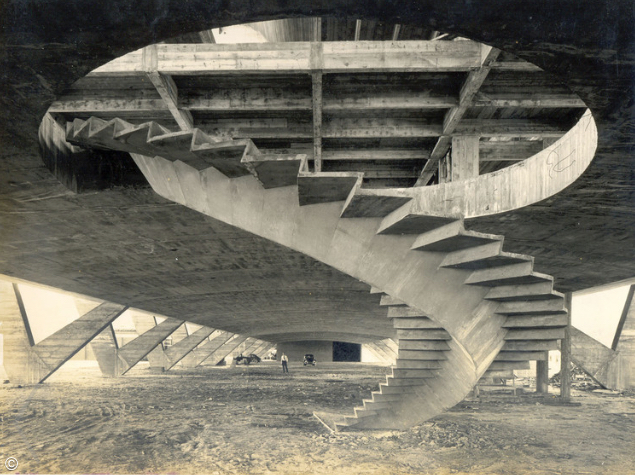
Uma escada curva em concreto aparente é destaque em meio à planta livre do pavilhão. Seu diâmetro mede nove metros e sessenta centímetros.
Museu de Arte Moderna do Rio de Janeiro – MAM