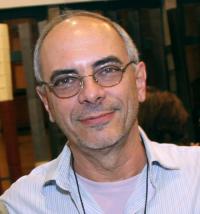
Entre 1965 e 1970, Milton Machado da Silva cursa arquitetura e urbanismo na Faculdade de Arquitetura e Urbanismo da Universidade Federal do Rio de Janeiro – FAU/UFRJ. Em 1969, participa da 10ª Bienal Internacional de São Paulo, e conquista, com sua equipe, medalha de prata no Concurso Internacional de Escolas de Arquitetura. Realiza sua primeira individual em 1975, na Galeria Maison de France, no Rio de Janeiro. Na mesma cidade, leciona no Centro de Arquitetura e Artes da Universidade Santa Úrsula, entre 1979 e 1994, e na Escola de Artes Visuais do Parque Lage – EAV/Parque Lage, de 1983 a 1994. Obtém título de mestre em planejamento urbano e regional pela UFRJ em 1985. Muda-se para Londres, em 1994, onde inicia doutorado em artes visuais no Goldsmiths College University of London, concluído em 2000. Volta ao Brasil em 2001 e, em 2002, passa a lecionar história e teoria da arte na Escola de Belas Artes da Universidade Federal do Rio de Janeiro.
Em seus primeiros trabalhos, majoritariamente desenhos realizados durante o período da ditadura, Milton Machado usava sua formação em arquitetura para criar projetos e relatos aparentemente lógicos que, na realidade, eram fictícios e inviáveis. Ao longo das décadas seguintes, o artista aumentou progressivamente a escala de sua produção e ampliou a diversidade dos gêneros utilizados, passando a incluir objetos, esculturas, vídeo, fotografia e grandes instalações. Ainda assim, continua explorando a tensão produzida pelo questionamento dos modelos de conhecimento científico que resulta de suas indagações artísticas.
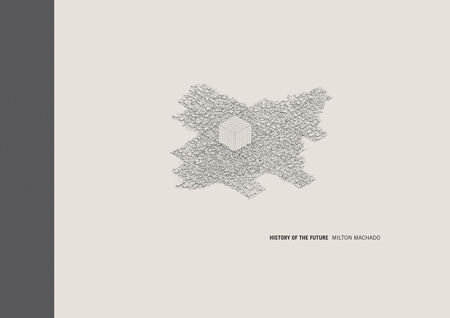
History of the Future is the first publication on one of Brazil’s foremost contemporary conceptual artists, Milton Machado (born 1947). For more than 30 years, Machado has been designing and constructing a utopian world, titled History of the Future, which he illustrates in sketches, drawings, writings, sculptures and installations.
Popular art usually expresses a feeling common to the environment in which it develops. It is not usually expected from the popular artist originality or individual expression, but artisan mastery and the ability to execute the works, normally ordered and dictated by the society in which it operates, which determines both the theme and, in some cases, the very form that the work must take over. Animals, human figures and types (such as the cangaceiro, the washerwoman, the priest), as well as saints are the most frequent themes of popular art. Usually the popular artist draws from the reality in which his subjects live, and can sometimes give doses of humor and social criticism to his representations, as illustrated by small northeastern sculptures of white girls dancing with black people with a blocked nose.
The popular artist is usually self-taught, without contact with classical art, removing from tradition the techniques he needs to carry out his work. You can even create your own resources to solve your problems. The personalization of the tradition of the society in which this artist is inserted can generate works of great artistic value. Small sculptures are often the most frequent manifestations of popular art, especially ceramics. Due to the particularities of working with the material, there are small workshops (at least initially familiar) that are dedicated to the craft.
The ceramics workshops are present in several locations in Brazil, especially those in the western region of the country, the Amazon, the Northeast and Rio Grande do Sul. Cities like Caruaru, with their more sophisticated sculptures, with appreciation of movement and realism they are influential regional centers that end up determining northeastern patterns. Clay sculptures have centers in the northern region of the country, in cities like Belém – especially the forms of local animals, such as alligators; in the Southeast, in cities like Vitória and artists like Mãe Ana; in the South, in São José (Santa Catarina) and the mixture of fantastic beings with people and animals in the set of thirteen colored figures of the ox-of-papaya (made by artists like Anésia de Silveira). Still in the Southeast, we see strong centers in places like Vale do Paraíba in São Paulo, whose production is especially intense at Christmas for figures related to the party, such as angels, boys and eastern stars.
The folklore of the valley is also represented through pieces made for the traditional “Festa do Divino”. In the Center-South the sculptures of religious intention are famous. In the Northeast, the figures that, due to their attire and attitudes, characterize aspects of the region’s life are especially known. They also call attention for the sophistication that the representations present, with details such as features of the face attentive to the physical types of the place. Still in the Northeast, the frowns on the boats that cross the São Francisco, used in order to scare off evil or even river folkloric monsters, are other good examples of popular art. Ex-votos are also considered to be one of the most important popular artistic manifestations. Miracles often emphasize the region of the body that the faithful ask for divine attention. In the heads, in which they call for the dead, both common patterns and artistic concerns can be seen in portraying the deceased’s features.
“Padinho Cícero”, for example, is a regional theme widely used in religious sculptures in the Northeast, especially those in Juazeiro do Norte. Umbanda also provides great inspiration for popular artists, such as the figures of Exus, caboclos and black-old men, especially strong in Bahia, well represented by Cândido. Also typical of the state are the figures of “baianas”, with their more realistic anatomical forms and robes. Mainly through Modernism and its nationality, some popular artists began to be recognized in erudite art circles, being valued and even holding exhibitions inside and outside the country.
One of the first of these artists more in tune with the popular traditions discovered was Cardosinho (José Bernardo Cardoso Júnior), a Portuguese who came to Brazil at the age of three. Having started painting at the age of sixty-eight, he draws attention for his fantastic and mysterious compositions, which are not concerned with realism in proportions (as shown by the enormous butterflies in his paintings, copied in natural size). He even did a show with Portinari. Djanira da Mota e Silva, born in the interior of São Paulo and based in Rio de Janeiro is another popular artist who has held exhibitions, including in the United States. Among some of his works are: “Figuras na Rua” (1946) and “A Casa de Farinha” (1956) or the painting of the Chapel of Santa Bárbara, in the Catumbi – Laranjeiras tunnel, in Rio de Janeiro (1961-1963). Chico da Silva, with his fantastic animals, such as birds and dragons linked to the folklore of the north-northeast of the country, is better known in Europe (thanks to the intervention of the Swiss painter Jean Pierre Chabloz who discovered him in Fortaleza) than in Brazil.
O Museu Casa do Pontal foi atingido por uma inundação sem precedentes! o objetivo do financiamento coletivo é reabrir urgentemente o Museu. #salveomuseudopontal
 Art * Music* Architecture * Sciences * Cinema * Theater * Cirque * Forain *